
No Risk To Other Countries From Nipah: World Health Organization
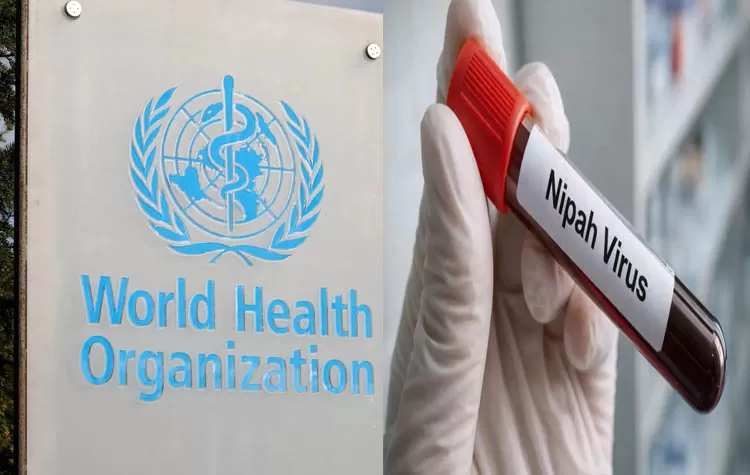
The Indian central government has commenced additional surveillance activities and initiated containment efforts after Nipah virus cases emerged in two West Bengal residents. Health authorities are working to limit the spread of the virus and manage the situation effectively.
WHO Assessment on Global Risk
- The World Health Organization (WHO) reported that Nipah virus outbreaks in India only cause a minor health threat. The WHO states that the current cases do not pose any threat to other countries. The organization confirmed that India implemented effective and timely measures to control the virus spread.
- Countries including China, Thailand, Nepal, Malaysia, and Taiwan started screening Indian travelers because of their fears about potential disease transmission. WHO recommended that countries should not implement these travel restrictions. The organization confirmed that India does not need any travel or trade restrictions because of the Nipah virus outbreak.
Low Human-to-Human Transmission Risk
The WHO demonstrated that no proof exists showing fast human-to-human virus transmission occurs. The international spread risk stays at a low level because of this. Indian authorities confirmed that the two infected individuals remained in India which, reduced their capacity to spread the virus to other people.
Regional Response and Current Status
China has increased its security measures, despite the fact that risks remain at a low level. Chinese authorities implemented passenger screening procedures at airports for travelers arriving from India and other regions with confirmed cases. The Chinese Center for Disease Control and Prevention reported that no Nipah cases have been detected in China so far.
Tags Cloud