
Submarine Data Cables In The Strait Of Hormuz: Risks And Regional Impact
Ongoing Tensions Despite a Ceasefire
- The United States and Iran have established a ceasefire which continues to exist yet tensions between the two nations persist throughout West Asia. The current situation exhibits unstable conditions which create doubts about the possibility of renewed hostilities. Iran has issued strong objections against United States military activities that operate in the Strait of Hormuz particularly those operations which interfere with ship navigation.
- Iranian media outlets which include organizations linked to the Islamic Revolutionary Guard Corps IRGC have recently reported on the region's infrastructure security problems. The raised concerns about the submarine data cables which extend through the strait face a risk of damage from the existing conditions.
Why the Strait of Hormuz Matters for Data and Energy
Role in Global Energy Transport
The Strait of Hormuz stands as one of the top global shipping routes that exist today. The waterway functions as a crucial conduit through which a significant portion of the world's oil and gas shipments traverse. The energy markets and supply chains of various regions will experience disruptions when this route encounters any form of interruption.
Role in Digital Connectivity
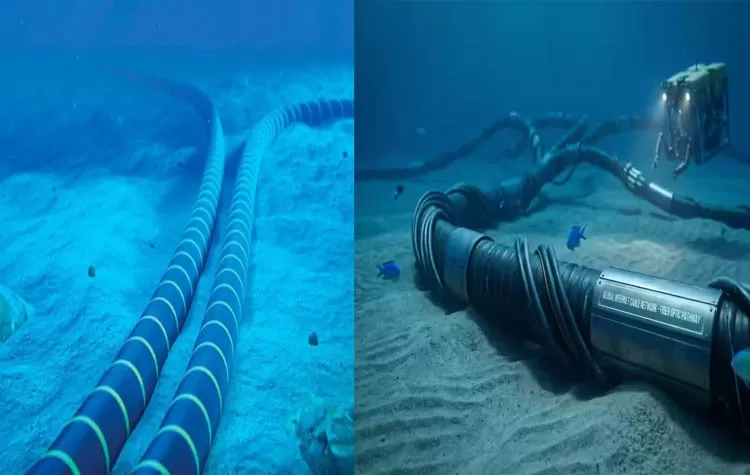
The strait serves two functions which include transporting energy and maintaining vital digital systems. The area serves as a main route for several important submarine cable networks which include Falcon AAE-1 TGN-Gulf and SEA-ME-WE. The cables carry extensive data capacities which deliver support to banking networks cloud computing operations and daily communication activities.
Concentration of Submarine Cable Systems
- The cables of the Strait of Hormuz remain in their current position because the strait has insufficient space for their separation. The system achieves operational efficiency through its small system design but this design choice increases operational risk for the system. The area experienced one incident which caused damage to multiple cable systems simultaneously.
- Even small damage can create significant resulting impacts. A single section experiences restricted operation which affects data transmission throughout various nations.
Vulnerability of Undersea Infrastructure
- Undersea cables present monitoring and protection challenges because they exist beneath the ocean surface. The cables remain on the ocean floor which makes them vulnerable to damage from natural disasters and human activities. The system faces operational threats from ships and anchors and underwater activities.
- Iranian media sources reported that damage to these cables from either accidental or deliberate sources would result in major disruptions throughout the Persian Gulf area.
Recent Incidents in Nearby Regions
- There is recent evidence that undersea infrastructure in nearby waters is at risk. During 2024 and 2025, several cables in the Red Sea were damaged. The ongoing conflict in that region prevented repairs from proceeding.
- Repair crews found it challenging to work because access to the area remained restricted and security issues emerged. The extended outages continued for several months which disrupted both internet and communication systems.
Exposure of Gulf Countries’ Digital Systems
- Countries such as the United Arab Emirates, Qatar, Bahrain, Kuwait, and Saudi Arabia rely heavily on these cable networks. Many of their digital services are supported by centralized data centers and cloud infrastructure.
- Reports have also mentioned previous attacks on facilities linked to major cloud providers in the region. While details remain limited, these incidents have increased concern about the safety of digital infrastructure during conflict.
Potential Economic and Communication Disruptions
- If submarine cables in the Strait of Hormuz were damaged, the effects could spread quickly. Financial systems, online services, and communication networks depend on continuous data flow.
- Even a partial disruption could slow business operations and reduce connectivity. Countries with high reliance on digital services would likely experience the strongest impact.
Challenges in Repair and Recovery
- Repairing undersea cables requires specialized ships and technical teams. These vessels must reach the exact location of the damage and carry out complex underwater work.
- In a conflict zone, such operations become difficult or impossible. Security risks and restricted access can delay repairs, extending outages and increasing economic impact.
Tags Cloud