
Iran Questions Pakistan’s Role As Mediator In U.S. Talks
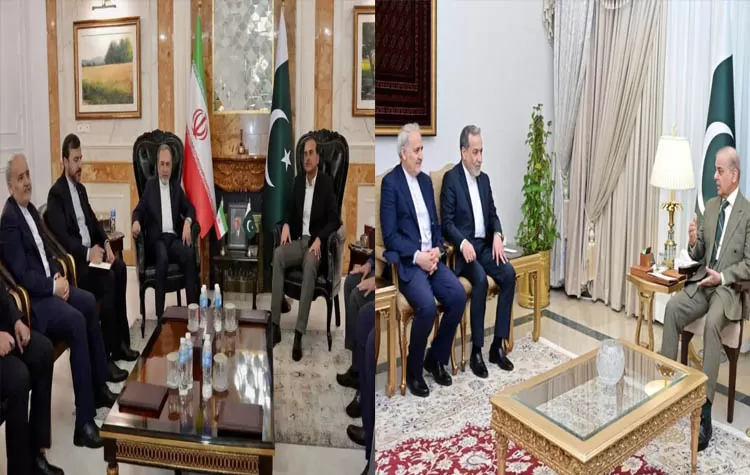
The United States and Iran continue to negotiate their talks with no clear resolution. The second round of talks between both parties remains unverified. The two parties want to talk to each other but their negotiations face another setback. The current situation needs someone to help the two sides move their talks ahead.
Parliamentary Session Finds Iranian Lawmaker Dismisses Three Pessoa
Ebrahim Rezaei, who serves as an Iranian Parliament member, discussed the topic. He works as the official spokesperson for the National Security and Foreign Policy Commission. He declared that Pakistan should not act as a mediator during these negotiations. His statements show that Iranian political leaders are worried about this matter.
Why Iran Doubts Pakistan’s Neutrality
Rezaei described Pakistan as a friendly neighbor. He showed doubts regarding its capability to maintain fair diplomatic relations. He explained that a mediator should maintain unbiased judgment during his work. He believes that Pakistan frequently supports American government policies. He showed examples from history which demonstrated Pakistan's agreement with American government requests. This, he said, raises doubts about its credibility in sensitive negotiations.
Pakistan’s Position and Response
Pakistani officials have presented a different view. They claim that U.S.-Iran talks proceed through indirect communication methods. They also maintain that their role is to support dialogue, not to take sides. Pakistan continues to describe its involvement as constructive and diplomatic.
Key Disagreements Blocking Progress
The main issue between the U.S. and Iran remains unresolved. The United States demands that it will maintain its port restrictions on Iranian ports until both countries reach their final agreement. Iran established its response through a specific condition. It says it will not return to negotiations unless those restrictions are lifted first. The two parties have reached a permanent deadlock which prevents them from conducting their discussions.
Tags Cloud