
What Are 'Third World Countries'? Is India Included?
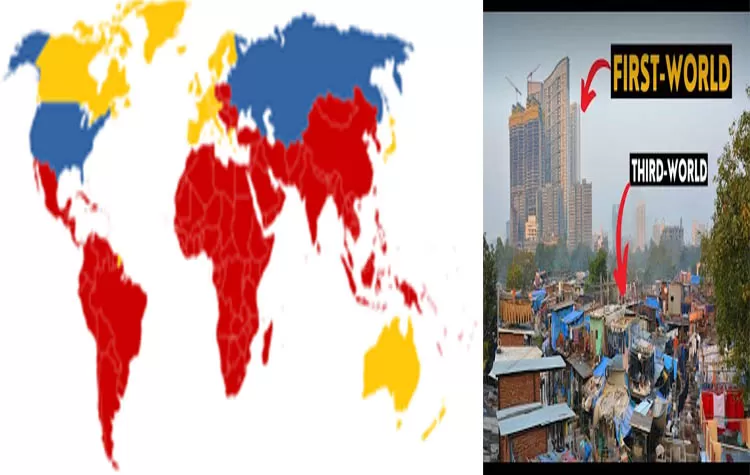
Recently, former U.S. President Trump announced that he intends to restrict immigration from “Third World Countries.” He even said that the government will stop providing subsidies and other benefits to those coming from these countries. However, the places specifically were not named. Thus, a question came up: what are Third World Countries, and where is India in this list?
What Are Third World Countries?
- The designation of countries as “Third World Countries” first emerged during the Cold War era. Historians trace it to a 1952 article by French demographer Alfred Chavie called “Three Worlds, One Planet.” During that time, countries were classified in terms of their political alignment, not economic status.
- First World Countries included the United States, Western European nations, Japan, Australia, and NATO allies.
- The Second World Countries were the Communist bloc, the Soviet Union, China, Cuba, and Eastern European allies.
- The Third World Countries consisted of neutral nations that followed a non-aligned policy. Most of these were underdeveloped countries in Africa, Asia, and Latin America.
Changes Over Time
The use of the term "Third World Countries" became less frequent since the fall of the Soviet Union. There is no strict definition for that term anymore. The United Nations currently uses the expression Least Developed Countries when referring to economically deprived countries. At present, the UN lists 42 LDCs:
- 32 in Africa
- 8 in Asia (including Pakistan, Afghanistan, Bangladesh, Nepal, Myanmar)
- 1 in the Caribbean (Haiti)
- 3 in the Pacific
What About India?
Although India followed a non-aligned policy during the Cold War, it is now the world's fourth-largest economy. Therefore, India is not considered a Third World Country today. The U.S. immigration authorities do not have a formal definition of Third World Countries. Following Trump's announcement, the U.S. Citizenship and Immigration Services said it would review the immigration status of green card holders from 19 countries, including Afghanistan, based on the president's previous executive orders.
Tags Cloud