
US Uses ‘Section 301’ Tool To Investigate Trade Policies Of 16 Countries Including India
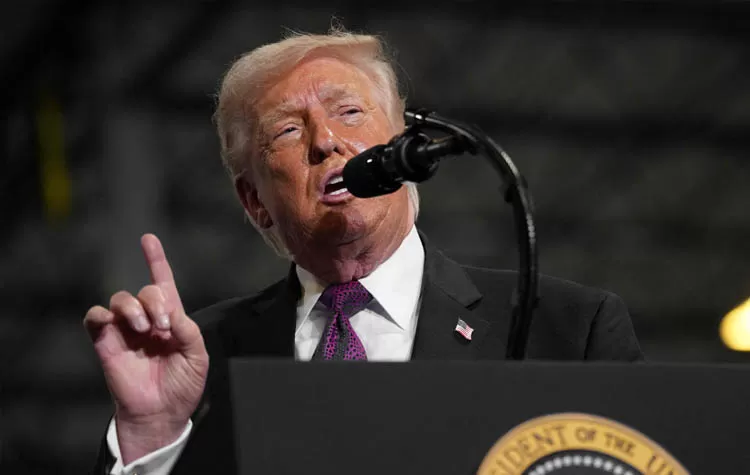
Post Court Ruling Tariff Decision New Strategy
- The Supreme Court of the United States reached a decision which declared that former US President Donald Trump had imposed invalid tariffs on multiple countries. Trump started searching for different legal options to enact economic sanctions against foreign nations following this legal decision.
- The United States government selected Section 301 of the Trade Act of 1974 as its first step in this campaign. The US government has begun an investigation into the trade activities of its main trading partners through this legal provision.
- US Department of Commerce spokesperson Jamieson Greer announced that the investigation will include 16 countries and regions.
Countries Included in the Investigation
The investigation under Section 301 will review the trade policies of the following partners:
- India
- China
- European Union
- Singapore
- Switzerland
- Norway
- Indonesia
- Malaysia
- Cambodia
- Thailand
- South Korea
- Vietnam
- Taiwan
- Bangladesh
- Mexico
- Japan
Canada does not appear on this list. The absence of Canada has drawn attention in trade discussions.
What is Section 301?
Section 301 functions as a legal mechanism which enables the United States to deal with unfair trading activities that other nations conduct.
The law allows the US government to:
- Investigate trade policies of partner countries
- Determine whether those policies harm American businesses or economic interests
- Collect evidence related to unfair trade practices
The US government has the authority to implement direct measures against a country when its policies create harmful effects for the United States.
Possible actions include:
- Imposing additional tariffs
- Introducing trade restrictions
- Taking retaliatory measures against the country involved
The World Trade Organization does not need to grant permission for these actions to take place.
Reasons for Including India
India’s inclusion in the investigation has generated discussion because the country maintains strong economic and strategic relations with the United States.
For several years, the US has raised concerns about certain Indian trade policies. These concerns include:
- High tariffs on selected imported goods
- Requirements that encourage local manufacturing
- Data storage and localization rules
- Technology regulations that affect foreign companies
- Trade negotiations between the two countries have addressed these issues for a long time.
Possible Impact on Trade Relations
- The current investigation does not automatically lead to penalties. However, the process could influence future trade decisions.
- If the United States identifies policies that it considers restrictive, some sectors could face tariffs or other measures later. Because of this possibility, businesses and industry groups are watching the investigation closely.
Tags Cloud