
U.S. Updates On Iran Conflict And New EU Tariffs Explained
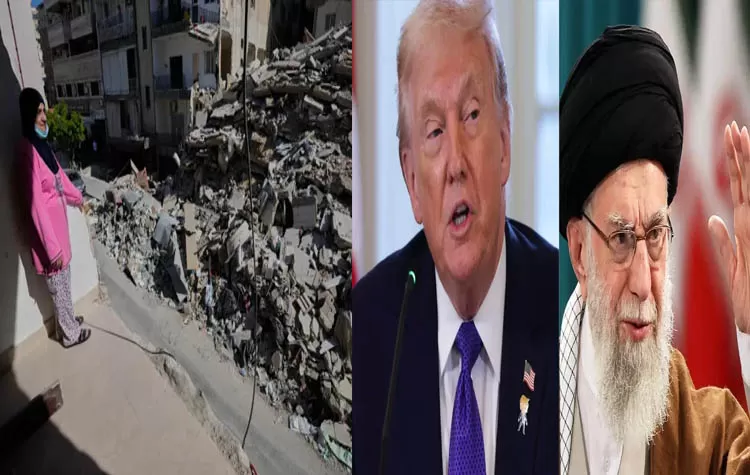
The White House issued two announcements which confirmed two main points: U.S. military activities in Iran remain active while European vehicle imports face new trade restrictions. The following explanation provides a complete understanding of the statements made during the meeting and their corresponding implications.
White House Says Iran Conflict Has Ended
- The White House has informed Congress that the recent conflict involving Iran is now over. Officials pointed to a ceasefire agreement reached in April as the point when hostilities effectively stopped.
- The Senate hearing featured Deputy Secretary of Defense Pete Hegseth who discussed this topic. He stated that U.S. military operations maintained a duration of 60 days. The administration determined that it could conduct the operation without seeking Congress approval based on that time frame.
Understanding the War Powers Act
- The War Powers Act, passed in 1973, sets limits on how long a U.S. president can engage military forces without Congressional approval.
- The president can use this law to begin military operations which will last up to 60 days without needing Congress to approve his decision. The administration must either obtain approval or start withdrawing their troops if fighting remains active after that time frame.
- The military operation in this situation operated within the established 60-day period according to officials. They assert that the law did not mandate them to ask Congress for authorization.
New Tariffs on European Vehicles
- The president declared new tariffs on European Union imports which he announced together with the Iran update. The most notable change is an increase in tariffs on cars and trucks made in the EU which now face a 25% customs duty.
- Tariffs function as taxes that countries apply to products which they import from other nations. The price increase will result in higher costs for European vehicles that enter the United States market.
Reason Behind the Decision
- The administration says the tariff increase is a response to the European Union’s failure to follow through on a previously agreed trade deal with the United States.
- By raising tariffs, the U.S. aims to put economic pressure on the EU and encourage changes in trade practices. However, such moves can also lead to tension between trading partners and may affect prices for consumers.
Tags Cloud